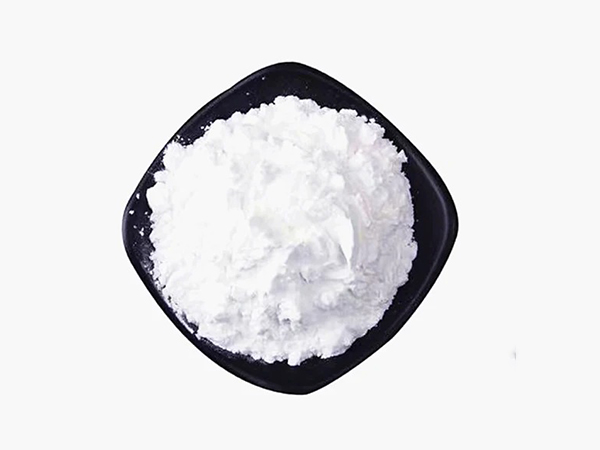
Certainly! Below is an 800-word news article about a high-quality chloride process titanium dioxide manufacturer, incorporating a general company introduction without specifying any brand names.---**Leading Manufacturer Advances High-Quality Chloride Process Titanium Dioxide Production**In recent years, the demand for premium-grade titanium dioxide (TiO₂) has surged dramatically across multiple industries, including paints and coatings, plastics, paper, and cosmetics. Addressing this trend, a prominent titanium dioxide manufacturer specializing in the chloride process has made significant strides in enhancing product quality and production efficiency, reaffirming its position as an industry leader.**Company Overview**The company, established over two decades ago, has consistently focused on research, innovation, and sustainability to deliver superior titanium dioxide products worldwide. With state-of-the-art manufacturing facilities and a skilled workforce, it integrates advanced chloride process technology to produce TiO₂ pigments that meet exacting performance and environmental standards.Committed to operational excellence, the company emphasizes sustainable development by optimizing processes to reduce emissions and energy consumption. Its comprehensive quality management system ensures that each batch of titanium dioxide adheres to international standards, enabling customers across varied sectors to achieve reliable and vibrant pigmentation results.**The Chloride Process Advantage**Titanium dioxide can be produced through two main methods: the sulfate process and the chloride process. While both yield high-quality pigments, the chloride process has emerged as the preferred approach due to its environmental and operational benefits.By using titanium-containing feedstock such as rutile or synthetic anatase ores, the chloride process involves reacting the feedstock with chlorine gas at high temperatures, producing titanium tetrachloride (TiCl₄), which is then oxidized to yield pure TiO₂. The resultant product displays superior brightness, opacity, and durability, making it ideal for high-performance applications.Moreover, the chloride process generates fewer waste by-products and consumes less water compared to the sulfate process, aligning with modern environmental regulations and sustainability goals. The manufacturer’s adaptation of this process underscores its commitment to balancing high-quality output with ecological responsibility.**Innovations Driving Quality and Sustainability**One of the critical factors distinguishing this industry leader is its ongoing investment in research and development, which has resulted in several proprietary improvements in the chloride process.- **Enhanced Purity and Particle Size Control:** Through advanced reactor design and precise process control, the company produces titanium dioxide pigments with uniform particle size distribution. This uniformity translates into enhanced color strength and improved opacity in end products.- **Energy Efficiency Measures:** The manufacturer has implemented cutting-edge heat recovery systems and optimized reactor conditions, reducing energy consumption significantly. Such measures not only cut operational costs but also minimize the carbon footprint associated with production.- **Waste Gas Treatment Systems:** To comply with stringent environmental standards, comprehensive waste gas treatment installations capture and neutralize chlorine and other harmful emissions generated during manufacturing.These innovations enable the company to maintain a high-quality product line that meets or exceeds customer expectations while adhering to sustainable business practices.**Market Demand and Applications**The global titanium dioxide market is projected to witness robust growth in the coming years, driven by expanding urbanization, rising demand for durable coatings, and increasing use of plastics. High-grade TiO₂ pigments are essential for conferring whiteness and opacity to paints, coatings, printing inks, and personal care products.The manufacturer plays a pivotal role in supplying these sectors with chloride process titanium dioxide, widely regarded for its superior brightness, weather resistance, and stability. Its products are utilized in:- **Architectural and Industrial Coatings:** Offering excellent coverage and protection against UV degradation and corrosion.- **Plastics Industry:** Enhancing color consistency and durability in consumer goods and packaging materials.- **Paper Manufacturing:** Improving brightness and opacity to produce high-quality printing paper.- **Cosmetics and Personal Care:** Providing safe, non-toxic pigments for various formulations.By catering to diverse market needs, the company supports global manufacturers in delivering end products characterized by improved aesthetic appeal and performance.**Strategic Global Positioning**With facilities strategically located to serve key regional markets efficiently, the manufacturer ensures timely delivery and responsive customer service. The company’s extensive distribution network and technical support empower clients to optimize formulation and application processes.Additionally, ongoing collaborations with universities, research institutes, and industry partners foster innovation and reinforce the company’s competitive advantage.**Commitment to Corporate Social Responsibility**As part of its corporate social responsibility initiatives, the company actively engages in community development, employee welfare, and environmental conservation. Investments in workplace safety standards and employee training promote a secure and motivated workforce.Furthermore, environmental stewardship programs focus on reducing greenhouse gas emissions, minimizing waste generation, and conserving resources. These efforts reflect the company’s acknowledgment of its role in promoting sustainable industrial growth.**Future Outlook**Looking ahead, the manufacturer is poised to expand production capacity and explore emerging markets to meet escalating titanium dioxide demand. Continued R&D investment will likely yield next-generation pigment products with enhanced functionality, including improved dispersion and compatibility with new material systems.By integrating digital manufacturing technologies and data analytics, the company aims to optimize process control and product customization further, aligning closely with customer-specific requirements.**Conclusion**In the dynamic titanium dioxide industry, the manufacturer’s expertise in chloride process production, commitment to quality, and sustainability underscore its leadership role. Delivering high-performance TiO₂ pigments that meet evolving market demands, it sets a benchmark for innovation and environmental responsibility. As industries increasingly seek reliable and eco-friendly pigment solutions, this company stands well-positioned to drive the future of titanium dioxide manufacturing.---If you have any additional details about the company or specific achievements to incorporate, please provide them, and I can further tailor the content.
Read More